

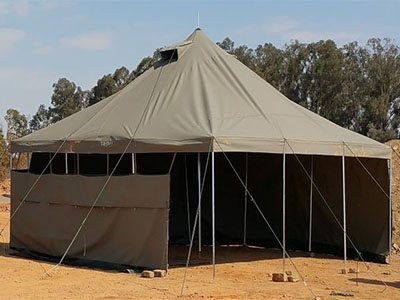


The Importance of Army Tents
Army tents are not just simple shelters; they are lifelines in challenging situations. In military environments, they provide quick-deploy housing for soldiers in the field. In humanitarian missions, they are often used as temporary hospitals, food distribution points, or storage facilities.
Their importance lies in their ability to be set up quickly, protect against varying weather conditions, and house people or equipment safely. Unlike ordinary camping tents, army tents are manufactured with heavy-duty materials like canvas, polyester blends, or PVC-coated fabrics that resist UV rays, water, and mildew. This makes them highly functional for long-term use.
Types of Army Tents Available for Sale
When searching for army tents for sale, you will find a range of designs tailored to different needs. Some of the most common types include:
- Canvas Army Tents: These traditional tents are made from strong, breathable canvas fabric. They are durable and weather-resistant, making them suitable for hot and cold climates alike. Canvas tents are often used for longer stays in outdoor or military environments.
- Frame Army Tents: Frame tents come with a metal framework that supports the structure. They are larger in size and can serve as medical stations, command centers, or storage units. Their stability and spacious interiors make them ideal for missions requiring a semi-permanent shelter.
- Dome Army Tents: Lightweight and portable, dome tents are easy to carry and quick to set up. They are often used for small groups of personnel or short-term operations where mobility is crucial.
- Inflatable Army Tents: Modern inflatable designs use air beams instead of metal poles. They are extremely fast to assemble and dismantle, making them perfect for rapid deployment in emergencies or disaster relief operations.
- Multi-Room Army Tents: These are large tents divided into sections or rooms, used for accommodating more people. They are commonly utilized for troop housing, field kitchens, or medical wards.
Key Features of Army Tents
Army tents are engineered for rugged use, and they offer several features that make them different from ordinary tents:
1. Durability – Made from heavy-duty fabrics and strong frames.
2. Weather Resistance – Withstand rain, wind, snow, and UV exposure.
3. Portability – Designed to be packed and transported with ease.
4. Quick Setup – Most models are easy to install in the field.
5. Versatility – Can be used for accommodation, storage, medical, or command purposes.
6. Ventilation & Insulation – Many designs include ventilation flaps, windows, and thermal insulation for comfort.
These features ensure that an army tent not only provides shelter but also enhances safety and efficiency in demanding conditions.
Frequently Asked Questions (FAQs)
1. What are army tents made of?
Army tents are typically made from heavy-duty canvas, polyester blends, or PVC-coated fabrics. These materials are chosen for their water resistance, breathability, UV protection, and long-lasting durability.
2. How long can an army tent last?
The lifespan of an army tent depends on usage and maintenance. With proper care, a high-quality army tent can last anywhere from 5 to 15 years. Regular cleaning, proper storage, and timely repairs extend its life significantly.
3. Can army tents withstand extreme weather conditions?
Yes, army tents are built to handle challenging environments. They are designed to resist heavy rain, strong winds, snow, and intense sunlight. Some models also feature thermal insulation for extreme cold or ventilation flaps for hot climates.
4. Are army tents suitable for personal use?
Absolutely. While originally designed for military purposes, army tents are widely used for camping, hunting, adventure trips, and even large outdoor events. Their durability makes them appealing to outdoor enthusiasts who want more reliable shelter than standard camping tents.
5. How do I maintain an army tent?
To maintain your tent, always clean it after use, ensure it is completely dry before storage, and check for any tears or damages that need repair. Store the tent in a cool, dry place away from direct sunlight to preserve the fabric’s strength and longevity.


